
Last Monday, Las Vegas police investigated a serious high-speed crash that occurred just after 1 a.m. at the intersection of Buffalo Drive and Twain Avenue in Spring Valley, according to the Las Vegas Review-Journal. The vehicle was reportedly travelling at a high rate of speed when it collided with another vehicle traveling west on the avenue. Both occupants were ejected from their vehicles; one was pronounced dead at the scene, while the other was transported to the hospital with life-threatening injuries. Police haven’t yet released further details.
High-speed crashes like this one highlight how dangerous excessive speed can be, especially at intersections where vehicles may be crossing from multiple directions during overnight hours. In the Spring Valley area, speeding significantly reduces a driver’s ability to react, often leading to violent impacts that result in ejections, catastrophic injuries, or loss of life. When a collision involves high speeds, victims and their families are often left facing sudden trauma, overwhelming medical expenses, and painful questions about how the crash occurred and whether it could have been prevented. At Ed Bernstein Law, we understand how devastating serious car crashes can be and the long-lasting effects they have on victims and loved ones. We work to help those affected seek accountability and financial recovery during an incredibly difficult time. Call us today at (702) 623-4518 if you or a loved one has been injured in a Spring Valley car crash.
The Role of Legal Guidance After a High-Speed Spring Valley Crash
After a high-speed Spring Valley crash, having experienced legal guidance can make a meaningful difference, and at Ed Bernstein, we understand how overwhelming these situations can be for injured victims and grieving families. High-speed collisions often involve severe injuries, disputed fault, and complex accident dynamics that require careful investigation and legal analysis. We work closely with our clients to examine how the crash occurred, determine whether speed or other traffic violations played a role, and ensure that critical evidence is preserved early. Our goal is to provide clarity and support during a time filled with uncertainty and emotional stress.
At Ed Bernstein, we also recognize that the aftermath of a high-speed Spring Valley crash often extends far beyond the immediate physical harm. Victims may face long-term medical treatment, rehabilitation, lost income, and significant disruptions to their daily lives. We advocate for our clients by addressing insurance challenges head-on, pushing back against efforts to minimize responsibility, and carefully evaluating the full scope of damages involved. Through clear communication and dedicated representation, we help injured individuals and their families pursue accountability and financial recovery while navigating the legal process with confidence.
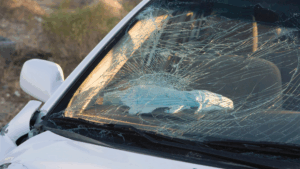
Dangers of High-Speed Crashes in Busy Metro Areas
High-speed crashes in busy metro areas present an especially serious threat due to dense traffic, frequent intersections, and the constant presence of pedestrians and cyclists. In urban environments, vehicles are often traveling close together, leaving little margin for error when a driver exceeds safe speeds. The force generated in high-speed collisions dramatically increases the likelihood of catastrophic injuries, fatalities, and widespread property damage. These crashes can also disrupt entire neighborhoods, affecting commuters, residents, and emergency responders alike.
Increased Risk of Severe and Fatal Injuries
The faster a vehicle travels, the greater the force involved when a collision occurs. In busy metro areas, this force is often transferred to multiple vehicles or vulnerable road users. High-speed impacts leave little opportunity for evasive action.
Greater Impact Forces and Reduced Protection
At higher speeds, even modern vehicle safety features may be overwhelmed by the force of impact. Seat belts and airbags are designed for typical collision speeds, not extreme velocity. As a result, occupants are more likely to suffer traumatic injuries or fatalities.
Higher Likelihood of Ejection and Multi-Vehicle Collisions
High-speed crashes often cause occupants to be ejected from vehicles or trigger chain-reaction collisions. In congested areas, a single speeding vehicle can impact several others. This multiplies the number of injured victims.
Limited Reaction Time and Reduced Driver Control
Speed drastically limits a driver’s ability to react to changing conditions. In busy metro areas, hazards appear quickly and unexpectedly. Excessive speed removes critical seconds needed to avoid a crash.
Difficulty Responding to Traffic Signals and Congestion
Urban environments include frequent stoplights, crosswalks, and merging traffic. Drivers traveling at high speeds may be unable to stop in time for red lights or slowing vehicles. This increases the risk of intersection collisions.
Loss of Vehicle Stability and Control
High speeds reduce a driver’s ability to maintain control during sudden maneuvers. Sharp turns, lane changes, or road imperfections become far more dangerous. Loss of control often leads to violent impacts.
Heightened Danger to Pedestrians and Cyclists
Pedestrians and cyclists are especially vulnerable in high-speed crashes. Urban areas often have significant foot and bicycle traffic. Speeding vehicles dramatically increase the likelihood of fatal outcomes.
Increased Stopping Distance Near Crosswalks
At high speeds, vehicles require much longer distances to stop. In areas with crosswalks and bike lanes, this delay can be deadly. Vulnerable road users have little chance to avoid impact.
Severe Injuries From Direct Impact
When a pedestrian or cyclist is struck at high speed, injuries are often catastrophic. The lack of physical protection increases the risk of fatal trauma. These crashes frequently result in loss of life.
Greater Property Damage and Infrastructure Impact
High-speed crashes in metro areas often cause extensive property damage beyond the vehicles involved. Buildings, traffic signals, and parked cars may be affected. Cleanup and repairs can take significant time.
Damage to Parked Vehicles and Structures
Urban streets often have closely parked vehicles and nearby buildings. A speeding car that loses control can strike multiple parked cars or structures. Property damage costs can be substantial.
Disruption to Traffic and Emergency Response
High-speed crashes can block major roadways and intersections. Emergency responders may face difficulty accessing the scene. These disruptions affect entire communities.
Challenges for Emergency Response and Medical Care
The severity of high-speed crashes places immense strain on emergency services. Urban congestion can complicate rescue efforts. Rapid medical care is critical but not always immediately accessible.
Complex Rescue and Extrication Efforts
Severely damaged vehicles may trap occupants inside. Fire and rescue teams must work carefully to extract victims. These efforts can be time-consuming and dangerous.
Increased Demand on Trauma Centers
High-speed crashes often result in multiple critically injured patients. Nearby hospitals and trauma centers may be overwhelmed. Coordinating care becomes a significant challenge.
Long-Term Community and Economic Consequences
Beyond individual harm, high-speed crashes impact communities as a whole. The effects can be long-lasting. Recovery extends beyond the crash site.
Emotional Impact on Families and Witnesses
Families of victims often face sudden grief and trauma. Witnesses and first responders may also experience emotional distress. The psychological impact can be profound.
Financial Costs and Public Safety Concerns
Medical expenses, property repairs, and emergency response costs place a burden on public resources. High-speed crashes raise concerns about traffic enforcement and roadway safety. Addressing these risks remains an ongoing challenge.
Steps to Take After a High-Speed Spring Valley Crash
A high-speed Spring Valley crash can leave victims shaken, injured, and unsure of what actions to take next, especially when the collision happens suddenly and causes severe damage. High-speed crashes often involve catastrophic injuries, multiple vehicles, and disputed accounts of fault, making early decisions especially important. Taking the right steps immediately after the crash can help protect your health, preserve critical evidence, and reduce complications during insurance or legal proceedings. A careful and informed response can significantly impact both recovery and accountability.
Prioritize Safety and Seek Immediate Medical Attention
Your safety and health should always come first after a high-speed crash. The force involved in these collisions can cause serious injuries that are not immediately visible. Prompt medical care is essential.
Move to a Safe Area if You Are Able
If you can do so without worsening your injuries, move away from traffic to reduce the risk of secondary collisions. High-speed crashes often leave debris scattered across roadways, creating dangerous conditions. Staying visible and cautious helps protect both victims and first responders.
Accept Emergency Medical Evaluation
Even if you feel stable, accept evaluation by emergency responders or seek hospital care as soon as possible. Injuries such as internal bleeding, head trauma, or spinal damage may not show symptoms right away. Medical records created shortly after the crash help establish a clear link between injuries and the collision.
Contact Law Enforcement and Ensure a Report Is Filed
An official police report is a critical piece of documentation after a high-speed Spring Valley crash. Law enforcement involvement helps create a neutral record of what occurred. This report is often relied upon by insurance companies and legal teams.
Request Officers at the Scene
Officers document vehicle positions, damage, roadway conditions, and initial statements from those involved. In high-speed crashes, they may also note evidence of excessive speed or other traffic violations. These details can be important later.
Provide Clear and Accurate Information
When speaking with police, describe what you observed without speculating about fault or causes you are unsure of. Stick to factual information such as direction of travel, location, and visible damage. Accuracy helps prevent confusion or disputes later.
Document the Crash Scene Thoroughly
Evidence from a high-speed crash can disappear quickly once vehicles are moved or roadways are cleared. Taking time to document the scene helps preserve important details. Even small details can matter.
Take Photos and Videos of Vehicles and Surroundings
Capture images of vehicle damage, skid marks, debris, traffic signals, and road conditions from multiple angles. Photos and videos help show the severity of impact and overall context. Visual evidence often plays a powerful role in claims.
Gather Witness Information
If witnesses saw the crash or events leading up to it, collect their names and contact information when possible. Independent witness accounts can help clarify disputed details. Memories are most reliable shortly after the incident.
Be Cautious When Dealing With Insurance Companies
Insurance companies often act quickly after high-speed crashes to protect their interests. Early conversations can influence how claims are evaluated. Taking a cautious approach helps protect your rights.
Avoid Giving Recorded Statements Immediately
Adjusters may request recorded statements soon after the crash. These statements can later be used to minimize injuries or shift blame. You are generally not required to provide one right away.
Keep Records of All Expenses and Communications
Save medical bills, repair estimates, rental car receipts, and correspondence with insurers. Keeping organized records helps support reimbursement and reduces stress later. Documentation strengthens your position.
Preserve Evidence Related to the Crash
High-speed crashes often involve additional evidence that may not be obvious at first. Preserving this information early is important. Delays can result in lost proof.
Do Not Repair Vehicles Until Damage Is Documented
Vehicle damage patterns may help demonstrate speed and impact severity. Repairs performed too quickly can erase valuable evidence. Photograph and document damage first.
Note Any Available Digital or Video Evidence
Traffic cameras, nearby businesses, or residential security systems may have captured the crash. Identifying these sources early helps preserve footage before it is overwritten. Digital evidence can be critical.
Monitor Your Recovery and Follow Medical Advice
Recovery from a high-speed crash often continues long after leaving the scene. Ongoing care and documentation matter. Consistency supports both healing and credibility.
Attend Follow-Up Appointments and Treatment
Following medical recommendations demonstrates the seriousness of your injuries. Skipped treatment may raise questions during claim reviews. Continued care supports recovery.
Track Symptoms and Daily Limitations
Keep notes about pain levels, mobility issues, emotional distress, and how injuries affect daily activities. These details help illustrate the full impact of the crash. Thorough tracking supports fair evaluation.
Consider Legal Guidance for Complex High-Speed Crashes
High-speed crashes often involve disputed liability, severe injuries, and aggressive insurance tactics. Legal guidance can help clarify options. Understanding rights early reduces uncertainty.
Address Questions About Fault and Responsibility
Determining fault in a high-speed Spring Valley crash may involve accident reconstruction and expert analysis. Guidance helps explain how responsibility is assessed. Clarity supports informed decisions.
Protect Long-Term Interests
Early guidance helps avoid mistakes that could affect outcomes later. Thoughtful handling supports fair recovery. Preparation provides peace of mind.
What Legal Options Are Possible After Being Affected by a High-Speed Crash
Being affected by a high-speed crash can leave individuals and families facing serious injuries, financial strain, and uncertainty about how to move forward. These collisions often involve severe damage, disputed liability, and insurance companies that act quickly to limit responsibility. Understanding the legal options that may be available helps victims make informed decisions during a stressful and confusing time. Exploring these options early can help protect rights and support meaningful recovery.
Filing a Personal Injury Claim Against the At-Fault Driver
One of the most common legal options after a high-speed crash involves pursuing a personal injury claim against the driver responsible for causing the collision. This process focuses on establishing negligence and seeking compensation for resulting losses. Personal injury claims are often resolved through insurance negotiations or, when necessary, litigation.
Establishing Negligence and Liability
To succeed in a personal injury claim, it must be shown that the at-fault driver breached their duty of care by engaging in unsafe behavior such as speeding, reckless driving, or ignoring traffic laws. Evidence such as police reports, witness statements, and accident reconstruction findings often plays a central role. Proving negligence is key to holding the responsible party accountable.
Recovering Damages Through a Claim
Personal injury claims may seek compensation for medical expenses, lost income, property damage, pain and suffering, and future care needs. The value of a claim depends on injury severity and long-term impact. Thorough documentation helps ensure damages are accurately represented.
Pursuing Claims Against Multiple Responsible Parties
High-speed crashes sometimes involve more than one responsible party, particularly when commercial vehicles or additional contributing factors are involved. Legal options may extend beyond the driver alone. Identifying all responsible parties helps ensure full accountability.
Employer or Commercial Vehicle Liability
If the at-fault driver was operating a vehicle for work purposes, their employer may share responsibility under certain circumstances. Commercial vehicle crashes often involve higher insurance limits. These claims may increase available recovery options.
Liability Related to Vehicle Defects or Roadway Conditions
In some cases, vehicle defects or unsafe roadway conditions may contribute to a high-speed crash. Claims against manufacturers or government entities may be possible. These cases often involve additional legal requirements and timelines.
Insurance Claims and Coverage Options
Insurance coverage plays a significant role in recovery after a high-speed crash. Victims may have options through the at-fault driver’s policy or their own coverage. Understanding available insurance paths helps avoid missed opportunities.
Third-Party Liability Insurance Claims
Most claims begin with the at-fault driver’s liability insurance. Negotiations focus on fault and damages. Strong evidence supports fair settlement efforts.
Uninsured or Underinsured Motorist Coverage
If the at-fault driver lacks sufficient coverage, victims may turn to their own uninsured or underinsured motorist policies. These policies provide an alternative source of compensation. Policy terms and limits determine availability.
Filing a Lawsuit When Claims Cannot Be Resolved
When insurance negotiations fail to result in a fair outcome, filing a lawsuit may be necessary. Litigation allows disputes to be resolved through the court system. This option is often considered when liability or damages are heavily contested.
Initiating a Civil Lawsuit
A lawsuit formally alleges negligence and seeks compensation through the courts. Filing requires meeting legal deadlines and procedural rules. Litigation can place additional pressure on defendants and insurers.
Discovery, Mediation, and Trial Considerations
During litigation, both sides exchange evidence and take depositions. Some cases resolve through mediation, while others proceed to trial. Preparation remains critical throughout the process.

How Las Vegas Car Accident Attorneys Handle High-Speed Crashes
High-speed crashes present some of the most serious and complex challenges in personal injury law, particularly on busy Las Vegas roadways where traffic patterns can change quickly. The force involved in these collisions often leads to catastrophic injuries, extensive vehicle damage, and disputed accounts of how the crash occurred. Las Vegas car accident attorneys play a critical role in helping victims navigate these challenges by conducting thorough investigations, managing aggressive insurance tactics, and pursuing accountability for dangerous driving behavior. Their approach is designed to protect victims’ rights while seeking outcomes that reflect the true impact of a high-speed collision.
Investigating the Circumstances of a High-Speed Crash
A detailed investigation is essential to understanding how a high-speed crash occurred and who may ultimately be responsible for the resulting harm. High-speed collisions often involve multiple contributing factors, such as excessive speed, distracted driving, impaired judgment, or roadway conditions that magnify the danger. Attorneys look well beyond initial crash reports to identify these factors and determine whether traffic laws or safety standards were violated. This comprehensive approach helps establish a clear narrative of events and builds a strong foundation for pursuing accountability.
Analyzing Crash Scene Evidence
Car accident attorneys carefully review photographs, measurements, and physical evidence from the crash scene to assess vehicle speed, points of impact, and movement before and after the collision. Skid marks, debris patterns, and the extent of vehicle damage often reveal critical details about braking distance, force of impact, and collision angles. These elements help reconstruct how the crash unfolded in real time. Accurate analysis of scene evidence is especially important in high-speed cases where fault may be contested.
Reviewing Police Reports and Accident Data
Police reports and any supplemental documentation are examined closely for officer observations, witness statements, citations, and diagrams that help explain what occurred. Attorneys also evaluate available accident data, including vehicle event data recorders and traffic camera footage, when applicable. This information helps establish timelines, identify traffic violations, and clarify disputed accounts. A thorough review ensures that no critical detail is overlooked.
Addressing Severe Injuries and Medical Evidence
High-speed crashes frequently result in severe injuries that require immediate medical intervention and long-term care. Attorneys work to ensure these injuries are fully documented and clearly connected to the crash itself. Medical evidence plays a central role not only in demonstrating the seriousness of harm, but also in explaining how injuries affect a victim’s daily life. Proper documentation supports fair evaluation of damages.
Coordinating Medical Records and Expert Input
Attorneys gather emergency room records, imaging results, surgical reports, and specialist evaluations to demonstrate the full scope of injuries sustained. In complex cases, medical experts may be consulted to explain the nature of injuries, expected recovery timelines, and potential complications. Expert insight helps translate medical terminology into clear explanations. This coordination strengthens the overall presentation of injury-related claims.
Evaluating Long-Term Treatment and Recovery Needs
Severe injuries from high-speed crashes often require ongoing rehabilitation, future procedures, or even lifelong medical care. Attorneys work with medical providers to project future treatment needs and associated costs. Considering long-term recovery is critical to ensuring that compensation reflects ongoing challenges rather than just immediate expenses. This forward-looking approach helps prevent undervaluation of serious injuries.
Managing Insurance Companies and Liability Disputes
Insurance companies often respond aggressively after high-speed crashes in an effort to limit financial exposure. These companies may move quickly to gather statements, dispute liability, or downplay injuries. Attorneys handle these interactions to protect victims from unfair tactics and pressure. Effective management allows injured individuals to focus on recovery rather than negotiations.
Handling Adjuster Communications and Recorded Statements
Attorneys manage all communications with insurance adjusters and guide clients on how to respond to requests for information. Recorded statements are approached with caution, as they may later be used to challenge claims or shift blame. Professional handling helps ensure statements are accurate and not taken out of context. This oversight protects the integrity of the claim.
Countering Attempts to Shift Blame
Insurers may attempt to argue comparative fault or suggest that injuries were not caused by the crash. Attorneys counter these arguments with evidence, expert analysis, and legal reasoning. Persistent advocacy helps keep responsibility properly assigned. This approach is especially important in high-speed cases where insurers often attempt to minimize accountability.
Preserving and Presenting Critical Evidence
Evidence in high-speed crash cases can disappear quickly if not preserved early. Vehicles may be repaired, data overwritten, or surveillance footage erased within days. Attorneys take prompt action to secure key information before it is lost. Strong evidence supports both settlement negotiations and litigation.
Securing Vehicle Data and Surveillance Footage
Event data recorders, traffic cameras, and nearby surveillance systems may capture crucial moments before and during the crash. Attorneys work quickly to preserve this digital evidence before it is overwritten or deleted. Vehicle data can provide objective insight into speed, braking, and acceleration. This information often plays a decisive role in disputed cases.
Working With Accident Reconstruction Experts
Accident reconstruction experts analyze physical evidence, vehicle data, and scene measurements to explain how the crash occurred. Their analysis helps clarify speed, angles, timing, and driver behavior. Expert findings often provide clear explanations when accounts conflict. This analysis strengthens claims involving complex dynamics.
Calculating the Full Scope of Damages
High-speed crashes often cause extensive financial, physical, and emotional losses that extend well beyond initial medical bills. Attorneys work to evaluate all damages accurately and comprehensively. A complete assessment helps ensure that compensation reflects the true impact of the crash. Thorough evaluation supports fair recovery.
Accounting for Economic Losses
Medical expenses, lost income, reduced earning capacity, and future financial losses are carefully calculated. Attorneys gather pay records, medical bills, and employment documentation to support these claims. Accurate accounting is essential to demonstrating the financial burden imposed by the crash. These losses often represent a significant portion of total damages.
Evaluating Non-Economic Impacts
Pain, emotional distress, and reduced quality of life are considered alongside financial losses. Attorneys help present these impacts clearly through documentation and testimony. Non-economic damages reflect how injuries affect daily living, relationships, and mental well-being. These damages are an important part of recovery in serious cases.
Providing Ongoing Guidance and Client Support
Legal representation extends beyond paperwork and negotiations, especially after a traumatic high-speed crash. Attorneys provide consistent communication and support throughout the entire process. This guidance helps reduce uncertainty and stress during recovery. Ongoing support allows clients to focus on healing.
Keeping Clients Informed at Every Stage
Attorneys explain timelines, procedures, and case developments in clear, understandable terms. Regular updates help clients feel involved and confident in the process. Transparency builds trust and reduces anxiety. Clear communication ensures clients know what to expect.
Advocating for Accountability and Fair Outcomes
Ultimately, attorneys pursue outcomes that reflect the seriousness of the crash and its lasting impact. Advocacy focuses on fairness, responsibility, and meaningful recovery. Dedicated representation helps ensure that negligent parties are held accountable. This commitment supports victims as they move forward.
Contact an Attorney Experienced at Handling High-Speed Spring Valley Crashes Today
At Ed Bernstein, we understand how devastating the aftermath of a serious high-speed collision can be, especially when injuries are severe or a loved one’s life has been tragically lost. We work closely with injured individuals and families to help them understand their legal options, explain what steps may be important early on, and guide them through the complex claims process that often follows a high-speed Spring Valley crash. Our team takes a thorough and compassionate approach, carefully reviewing crash details, preserving critical evidence, and managing communications with insurance companies so our clients can focus on recovery while we focus on protecting their rights.
When you work with Ed Bernstein, you gain a legal team committed to accountability, responsiveness, and meaningful results during an incredibly difficult and uncertain time. We understand that a high-speed Spring Valley crash can instantly change every aspect of a victim’s life, from physical health and emotional well-being to long-term financial security and family stability. Our team takes the time to carefully evaluate each case, explain available options in clear terms, and advocate for outcomes that reflect the full impact of the injuries involved. We remain focused on protecting our clients’ interests while providing steady guidance throughout the legal process. If you or a loved one has been injured in a high-speed crash in Spring Valley or the surrounding Las Vegas area, call us at (702) 623-4518 or fill out our online form to discuss your situation and learn how we can help.
Contact usfor a free consultation.
Phone: (702) 707-6068