
A tragic Northwest Las Vegas DUI crash left two people dead after a driver reportedly admitted to drinking before the collision, according to News 3 Las Vegas. Police stated that the crash involved excessive speed and impairment, which contributed to the severity of the incident. Authorities responded to the scene and began an investigation, reviewing evidence and statements to determine the sequence of events. The arrest report revealed details about the driver’s actions leading up to the crash, raising serious concerns about impaired driving on local roadways. Officials continue to emphasize the dangers of driving under the influence and the devastating consequences that can follow.
Crashes involving impaired drivers often leave victims and their families facing overwhelming emotional, financial, and legal challenges. At Ed Bernstein Injury Lawyers, we understand how difficult the aftermath of a Northwest Las Vegas DUI crash can be when you are dealing with serious injuries or the loss of a loved one. We work closely with our clients to help them understand their rights and pursue compensation for their losses. Our team remains committed to providing clear guidance and strong advocacy throughout every stage of the process. If you or a loved one has been affected by a serious crash, call us today at (702) 707-6068 to discuss your case and learn how we can help.

Why Legal Support Matters After a Northwest Las Vegas DUI Crash
At Ed Bernstein Injury Lawyers, we understand that a Northwest Las Vegas DUI crash often involves serious injuries, clear negligence, and complex legal issues that require immediate attention. We investigate every aspect of the crash by reviewing police reports, gathering evidence, and identifying how impairment contributed to the collision. Our team builds strong claims that hold negligent drivers accountable while protecting our clients’ rights at every stage of the legal process. We challenge insurance tactics that attempt to minimize compensation and push for outcomes that reflect the full impact of the crash. Through this approach, we help position our clients for stronger results.
We also recognize that DUI crashes often result in long-term medical care, financial strain, and emotional hardship that can affect every part of a victim’s life. We guide our clients through each step while helping them make informed decisions about their case. Our team evaluates medical records, lost income, and long-term impacts to ensure nothing gets overlooked. We pursue compensation that reflects both immediate and future needs. With our support, clients can focus on recovery while we handle the legal complexities.

Compensation Available After a Northwest Las Vegas DUI Crash
Victims of a Northwest Las Vegas DUI crash may pursue compensation for a wide range of losses caused by the accident. DUI crashes often involve severe injuries and clear negligence, which makes a full evaluation of damages especially important. Compensation may cover both financial losses and the personal impact that affects daily life and long-term well-being. Understanding what compensation includes helps victims make informed decisions about their claims. A thorough approach ensures that all losses receive proper consideration.
In addition, compensation should reflect both immediate expenses and future needs related to recovery. Some damages involve direct financial costs, while others require a deeper evaluation of how the injury affects quality of life. Proper documentation and detailed analysis help support these claims. A comprehensive assessment strengthens the case and improves the likelihood of a fair outcome. This process helps ensure that victims receive compensation that reflects the full impact of the crash.
Economic Damages
Economic damages include measurable financial losses that result directly from the crash. These costs often begin immediately and may continue throughout recovery. Accurate documentation helps support these claims and establish their value. These damages form a key part of the overall compensation.
Medical Expenses and Ongoing Treatment
Medical costs may include emergency care, hospital stays, surgeries, and rehabilitation services. DUI crashes often result in serious injuries that require long-term treatment. These expenses can grow over time as additional care becomes necessary. Keeping detailed records ensures that all costs are included. Proper documentation strengthens the claim.
Lost Wages and Reduced Earning Capacity
Injuries may prevent victims from returning to work for an extended period or permanently. Lost income can create financial strain and uncertainty. Some individuals may also experience reduced earning capacity due to long-term injuries. Evaluating these losses requires careful analysis of employment history and future earning potential. This step remains essential.
Non-Economic Damages
Non-economic damages address the personal and emotional impact of the crash beyond financial losses. These damages reflect how the injury affects daily life, relationships, and overall well-being. Including these factors creates a more complete claim. This ensures that all aspects of the loss receive proper recognition.
Pain and Physical Suffering
DUI crashes often cause injuries that result in ongoing pain and physical limitations. These effects may interfere with mobility, independence, and routine activities. Evaluating this impact helps determine appropriate compensation. This factor often plays a significant role in the claim. Clear documentation supports these damages.
Emotional and Psychological Impact
Victims may experience anxiety, stress, or trauma following a serious crash. These emotional effects can affect daily routines and relationships. Addressing these impacts helps present a complete picture of the injury. This information supports a stronger claim. It ensures that all consequences are considered.

How Insurance Companies Handle a Northwest Las Vegas DUI Crash Claim
Insurance companies play a central role in handling a Northwest Las Vegas DUI crash claim, even when fault appears clear. Adjusters review evidence, statements, and medical records to evaluate liability and determine claim value. Their primary goal often involves minimizing payouts while resolving claims efficiently. Understanding how insurance companies operate helps victims prepare for the process. Awareness supports better decision-making throughout the claim.
In addition, insurers may still attempt to challenge aspects of a claim despite the presence of DUI-related evidence. They may dispute damages, delay the process, or shift responsibility where possible. These tactics can create additional stress for victims who are already dealing with recovery. Being prepared for these challenges helps protect your claim. Strong documentation and persistence remain essential.
Evaluating Claims and Settlement Offers
Insurance companies assess claims by reviewing all available evidence and documentation. They analyze liability and calculate damages based on the information provided. This evaluation leads to an initial settlement offer. Understanding this process helps clarify what to expect. This knowledge supports more informed decisions.
Reviewing Evidence and Medical Records
Adjusters examine police reports, medical records, and supporting documentation to determine the validity of the claim. DUI-related evidence often strengthens liability, but insurers still review all details carefully. Accurate and complete records improve the strength of the claim. Missing information may weaken the case. Proper documentation remains critical.
Presenting Initial Settlement Offers
Insurance companies often present early settlement offers that may not reflect the full value of the claim. These offers aim to resolve cases quickly and reduce financial exposure. Careful evaluation helps prevent accepting inadequate compensation. Reviewing all damages ensures fairness. This step protects your interests.
Common Insurance Tactics
Insurance companies often use strategies designed to reduce payouts or limit responsibility, even in DUI cases. Understanding these tactics helps victims respond effectively and protect their claims. Preparation plays a key role in navigating these challenges. Awareness helps avoid common mistakes.
Minimizing Injury Claims
Insurers may question the severity of injuries or the necessity of treatment. This approach can lead to reduced settlement offers. Detailed medical documentation helps support your claim and demonstrate the full extent of injuries. Consistent treatment records improve credibility. This ensures a fair evaluation.
Delaying the Claims Process
Insurance companies may delay communication or requests for documentation to slow the process. These delays can create frustration and financial pressure for victims. Responding promptly and staying organized helps manage these challenges. Persistence keeps the claim moving forward. This step supports progress.
Challenges Victims Face After a Northwest Las Vegas DUI Crash
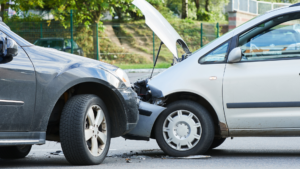
Victims of a Northwest Las Vegas DUI crash often face a wide range of challenges that extend far beyond the initial accident. These crashes frequently result in serious injuries, emotional trauma, and financial strain that can disrupt daily life. Managing recovery while dealing with legal and insurance issues can feel overwhelming. The combination of physical, emotional, and logistical challenges creates a difficult situation for many victims. Understanding these challenges helps individuals prepare for what lies ahead.
In addition, victims often encounter resistance from insurance companies and opposing parties who attempt to limit responsibility. These obstacles can delay claims and create additional stress during an already difficult time. Managing multiple challenges at once requires organization, persistence, and informed decision-making. Taking early action helps reduce complications and strengthen a claim. This approach supports better long-term outcomes.
Physical and Medical Recovery Challenges
DUI crashes often cause severe injuries that require extensive treatment and long-term care. Victims may face a lengthy recovery process that includes surgeries, rehabilitation, and ongoing medical support. These challenges can limit independence and affect quality of life. Recovery requires consistent care and patience. Understanding these impacts helps set expectations.
Long-Term Treatment and Rehabilitation
Many injuries require ongoing care such as physical therapy or specialized treatment. This process may continue for months or longer depending on the severity of the injuries. Managing appointments and recovery schedules can become demanding. Long-term care also increases financial pressure. Planning ahead helps support recovery.
Impact on Daily Life
Injuries may limit the ability to perform routine tasks or return to normal activities. This can affect work, family responsibilities, and overall well-being. Adjusting to these changes often requires time and support. Recognizing this impact helps individuals prepare for recovery. This factor plays a significant role.
Financial and Legal Difficulties
DUI crashes often create financial challenges due to medical expenses and lost income. At the same time, navigating the legal process can add complexity and stress. Managing these issues requires careful attention and organization. Understanding available options helps reduce uncertainty. Preparation supports better outcomes.
Managing Expenses and Losses
Medical bills, rehabilitation costs, and lost wages can accumulate quickly after a crash. Keeping detailed records helps track these expenses accurately. Proper documentation supports compensation claims. This step remains essential for financial recovery. Organization improves results.
Handling Disputes and Delays
Insurance companies may dispute claims or delay the process. These challenges can create frustration and uncertainty. Addressing disputes requires persistence and strong evidence. Understanding the process helps navigate these issues. This supports progress toward resolution.
How Evidence Strengthens a Northwest Las Vegas DUI Crash Case
Strong evidence plays a critical role in building a successful Northwest Las Vegas DUI crash case. Each piece of evidence helps establish how the accident occurred and demonstrates the role impairment played in causing the crash. DUI-related evidence often strengthens liability, but a complete case still requires detailed documentation. Gathering evidence early helps preserve important details that may otherwise be lost. This process supports a clear and well-supported claim.
In addition, combining multiple types of evidence creates a more comprehensive understanding of the incident. Physical evidence, witness statements, and official reports all contribute to the strength of the case. This approach helps resolve disputes and clarify liability. Strong evidence improves the likelihood of a favorable outcome. Proper documentation ensures that all aspects of the case are addressed.
Types of Evidence Used in DUI Crash Cases
Various types of evidence help support claims after a DUI-related accident. Each form provides unique insight into how the crash occurred. Together, they create a detailed and accurate account of events. This information is essential for determining fault. Strong evidence forms the foundation of the case.
Police Reports and Arrest Documentation
Police reports often include observations about impairment, statements from those involved, and details about the crash scene. Arrest reports may also contain admissions or test results related to alcohol or substance use. These documents play a central role in establishing liability. Reviewing them carefully helps build the case. This evidence remains critical.
Witness Statements and Scene Evidence
Witnesses can provide independent accounts that clarify how the crash occurred and how the driver behaved before the collision. Scene evidence such as vehicle damage, debris patterns, and roadway conditions also supports the claim. Collecting this information early helps preserve accuracy. Witness testimony adds credibility. This strengthens the case.
The Role of Expert Analysis
Experts often analyze complex aspects of a DUI crash and provide professional insight that supports the case. Their evaluations help explain how impairment contributed to the accident and the resulting damages. This analysis adds depth and credibility to the claim. Expert opinions often carry significant weight. Their involvement strengthens the case.
Accident Reconstruction Experts
Reconstruction specialists analyze evidence to determine how the crash occurred. They evaluate speed, impact points, and movement patterns to recreate the sequence of events. This helps clarify disputed details and supports liability findings. Their analysis strengthens the case. This step remains important.
Medical Experts
Medical experts evaluate injuries and explain the treatment required for recovery. They connect injuries directly to the crash and assess long-term impacts. This information helps establish the full extent of damages. Accurate medical insight supports compensation claims. It adds strength to the case.

What to Expect During a Northwest Las Vegas DUI Crash Lawsuit
A Northwest Las Vegas DUI crash lawsuit often involves multiple stages that require careful preparation and attention to detail. While DUI-related crashes may involve clear evidence of impairment, the legal process still requires proving liability, documenting damages, and navigating procedural requirements. Each step plays a role in determining the outcome of the case. Understanding what to expect helps reduce uncertainty and allows victims to feel more prepared. A structured approach supports a stronger claim from start to finish.
In addition, DUI crash lawsuits may involve both negotiations and potential court proceedings depending on how the case develops. Some cases resolve through settlement, while others move forward to trial if disputes remain. Being prepared for each phase helps ensure that no opportunity gets overlooked. Staying organized and informed improves the overall process. This preparation supports better outcomes.
Filing the Lawsuit and Initial Case Development
The legal process begins with formally filing a lawsuit against the responsible party or parties. This step outlines the claims, damages, and legal basis for the case. Filing initiates the formal legal process and sets deadlines for both sides. A strong start helps build momentum for the case.
Drafting and Filing the Complaint
The complaint details how the Northwest Las Vegas DUI crash occurred and explains why the defendant is responsible. It includes information about damages and legal claims. Filing this document officially begins the lawsuit. Accuracy and detail are important at this stage. This step establishes the foundation of the case.
Serving the Defendant
After filing, the defendant must receive formal notice of the lawsuit. This process, known as service, ensures that the defendant has an opportunity to respond. Proper service is required for the case to proceed. Following legal procedures helps avoid delays. This step moves the case forward.
Discovery Phase and Evidence Exchange
During discovery, both sides exchange information and gather evidence to support their positions. This phase allows each party to evaluate the strengths and weaknesses of the case. Discovery plays a critical role in shaping the outcome. Thorough preparation remains essential.
Collecting Documents and Records
Both parties request and review documents such as medical records, police reports, and financial records. This information helps establish liability and damages. Organized documentation strengthens the case. Accurate records support claims. This step builds evidence.
Depositions and Testimony
Attorneys may conduct depositions, which involve questioning witnesses, experts, and involved parties under oath. These statements help clarify facts and identify inconsistencies. Depositions provide insight into how each side will present their case. Preparation remains important. This step adds depth to the evidence.
Negotiations and Settlement Discussions
Many DUI crash lawsuits resolve through settlement before reaching trial. Negotiations allow both sides to reach an agreement without continuing litigation. This process can save time and reduce uncertainty. Strong preparation improves negotiation outcomes.
Evaluating Settlement Offers
Both sides review settlement offers based on the strength of the evidence and the value of damages. Careful evaluation ensures that any agreement reflects the full impact of the crash. Accepting an offer requires thoughtful consideration. This step protects your interests. Fair evaluation matters.
Engaging in Mediation or Alternative Resolution
Some cases involve mediation, where a neutral third party helps facilitate negotiations. This process encourages both sides to reach a resolution. Mediation can help resolve disputes efficiently. Participation requires preparation and strategy. This step supports resolution.
Trial Preparation and Court Proceedings
If the case does not settle, it may proceed to trial where both sides present their arguments in court. Trial requires detailed preparation and organization. Each side presents evidence, examines witnesses, and makes legal arguments. This stage determines the final outcome.
Presenting Evidence and Witness Testimony
Attorneys present documents, expert opinions, and witness testimony to support their case. This evidence helps establish liability and damages. Clear presentation strengthens arguments. Preparation remains essential. This step influences the decision.
Court Decisions and Final Outcomes
After hearing both sides, the court or jury determines liability and the amount of compensation, if any. This decision concludes the lawsuit unless an appeal follows. Understanding this process helps set expectations. Final outcomes depend on the strength of the case. This step resolves the matter.
Timeline and Duration of the Lawsuit
The length of a DUI crash lawsuit can vary depending on the complexity of the case and whether it settles or proceeds to trial. Some cases resolve within months, while others may take longer. Understanding the timeline helps manage expectations. Patience remains important.
Factors That Affect Case Duration
Several factors influence how long a case takes, including the number of parties involved, the amount of evidence, and court scheduling. Complex cases often require more time for investigation and preparation. Being aware of these factors helps explain delays. This step provides clarity.
Staying Informed Throughout the Process
Regular updates and clear communication help individuals understand the progress of their case. Staying informed allows for better decision-making at each stage. Awareness reduces uncertainty. This approach supports confidence. Ongoing communication remains essential.


Contact usfor a free consultation.
Phone: (702) 707-6068