
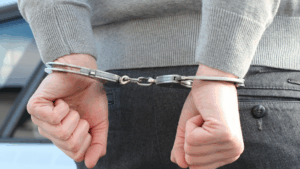
A driver has been arrested in connection with a fatal hit-and-run Las Vegas crash on Boulder Highway on New Year’s Eve, according to KTNV. The incident occurred when a dark-colored sedan struck a pedestrian walking along the storage lane south of Whitney Avenue. After the collision, the vehicle continued northbound without stopping, and the pedestrian was taken to Sunrise Hospital, where they later died from their injuries. The driver was later arrested and booked into the Clark County Detention Center on hit-and-run related charges. His bond was set at $100,000.
This fatal hit-and-run crash highlights the devastating consequences reckless driving and fleeing the scene can have on vulnerable roadway users. When a pedestrian is struck and left without immediate aid, the risk of severe or fatal injuries increases dramatically. Families affected by hit-and-run collisions often face profound loss while also confronting complex legal and insurance challenges At Ed Bernstein Injury, we understand how traumatic these incidents can be and the importance of pursuing accountability when a driver fails to take responsibility. Our team is dedicated to helping Las Vegas families and injured victims navigate their legal options and seek the support they need during an incredibly difficult time. If you or a loved one has been affected by a hit-and-run crash in the Las Vegas area, call us today at (702) 623-4518.
Why Legal Support Matters After a Las Vegas Hit-and-Run Pedestrian Crash
After a Las Vegas hit-and-run pedestrian crash, having experienced legal representation is critical, and our team at Ed Bernstein Injury Lawyers have a long history of advocating for injured pedestrians and their families. Hit-and-run cases often involve complex investigations, insurance challenges, and unanswered questions about liability, especially when the driver initially flees the scene. A dedicated attorney can help preserve evidence, work with law enforcement, and pursue all available sources of compensation. Legal guidance also helps ensure insurance companies do not take advantage of victims during an already overwhelming time.
Ed Bernstein Injury Lawyers are committed to protecting the rights of pedestrians injured on Las Vegas roadways. Our team understands the serious physical, emotional, and financial toll these crashes can cause and provides personalized support throughout the legal process. We take the time to listen to each client’s story and explain their legal options clearly, so they feel informed and confident moving forward. From managing communications with insurers to building a strong claim on your behalf, we focus on accountability and recovery while you focus on healing. Our goal is to pursue fair compensation that reflects the full impact of the injuries and helps victims rebuild their lives after a devastating crash.
Insurance Challenges After a Las Vegas Hit-and-Run Pedestrian Crash
Insurance issues often become one of the most frustrating aspects of recovery after a pedestrian collision. After a Las Vegas hit-and-run pedestrian crash, victims usually cannot file a claim directly against the at-fault driver. Instead, recovery often depends on navigating complex insurance policies and strict claim requirements. Because insurers closely scrutinize hit-and-run claims, mistakes can easily delay or reduce compensation. Therefore, understanding common insurance challenges helps victims protect their rights and financial stability.
Reliance on Uninsured Motorist Coverage
When a driver cannot be identified, uninsured motorist coverage often becomes the primary source of compensation. This coverage may help pay for medical expenses, lost income, and other damages. However, not all insurance policies offer the same level of protection. Coverage limits and exclusions may significantly affect recovery. Reviewing policy details early helps avoid unexpected obstacles.
Coverage Limits and Policy Restrictions
Uninsured motorist policies typically include specific coverage limits. These limits may not fully cover severe pedestrian injuries or long-term care needs. Some policies also contain exclusions that limit available benefits. Understanding these restrictions helps set realistic expectations. Careful policy review supports informed decision-making.
Increased Scrutiny From Insurance Companies
Insurance companies often investigate hit-and-run pedestrian claims more aggressively than other accidents. Adjusters may question whether the crash truly qualifies as a hit-and-run. They may also examine medical records and timelines very closely. Any inconsistencies can raise red flags and slow claim approval. Accurate documentation becomes especially important.
Requests for Detailed Statements and Records
Insurers frequently request recorded statements early in the process. At that stage, victims may still feel pain, confusion, or emotional distress. Providing incomplete or unclear information can harm the claim. Insurers may also request extensive medical documentation. Responding carefully helps protect the integrity of the claim.
Delays in Claim Processing and Payment
Hit-and-run claims often take longer to resolve than standard accident claims. Insurers may require additional investigation or documentation before approving benefits. These delays can create financial stress while medical bills continue to accumulate. Staying organized helps keep the process moving. Persistence often becomes necessary.
Financial Pressure During Recovery
Delayed payments can affect access to medical care and daily living needs. Lost income may compound financial strain during recovery. Stress can interfere with physical and emotional healing. Understanding potential delays helps victims prepare. Planning ahead supports stability during uncertainty.
Disputes Over Injury Severity and Causation
Insurance companies may dispute the severity of pedestrian injuries. They may argue that certain symptoms existed before the crash. Establishing a clear link between injuries and the collision becomes critical. Consistent medical treatment helps demonstrate causation. Detailed records strengthen credibility.
Challenges With Delayed Symptoms
Some injuries do not appear immediately after a crash. Soft tissue injuries and head trauma often develop gradually. Insurers may use delayed symptoms to question injury validity. Prompt medical follow-up helps counter these arguments. Clear timelines support the claim.
Claim Denials and the Need for Appeals
In some cases, insurers deny hit-and-run pedestrian claims entirely. Denials may cite insufficient evidence or policy exclusions. Appealing these decisions requires careful documentation and persistence. Understanding appeal rights becomes essential. Support can make this process more manageable.
Why Preparation Makes a Difference
Well-prepared claims face fewer obstacles. Organized records, consistent treatment, and timely reporting all play important roles. Each step builds a stronger case. Preparation reduces the likelihood of denial. A thoughtful approach improves overall outcomes.
Why Insurance Challenges Make Legal Guidance Important
Insurance challenges often overwhelm injured pedestrians. Navigating policy language and claim procedures alone can feel intimidating. Legal guidance helps interpret coverage and respond to insurer tactics. Support ensures deadlines and requirements are met properly. Informed advocacy protects long-term recovery.
Who May Be Liable in a Las Vegas Hit-and-Run Crash Involving Pedestrians
Determining liability after a pedestrian collision can be challenging when a driver flees the scene. In a Las Vegas hit-and-run pedestrian crash, responsibility may involve more than one party depending on the circumstances. Because pedestrians often suffer severe injuries, identifying all potential sources of liability becomes especially important. Therefore, a thorough investigation helps clarify who may be held accountable. Understanding liability also helps victims pursue appropriate compensation.
The Driver Who Fled the Scene
The driver who caused the collision and left the scene is often the primary liable party. Fleeing the scene violates Nevada law and demonstrates a clear failure to act responsibly. Drivers have a legal duty to stop, provide information, and render aid after a crash. When they fail to do so, they may face both criminal charges and civil liability. Identifying the driver remains a critical goal in these cases.
Reckless or Impaired Driving Behavior
Many hit-and-run pedestrian crashes involve reckless or impaired driving. Speeding, distracted driving, or driving under the influence often contribute to these collisions. Drivers may flee because they fear legal consequences. These behaviors significantly increase injury severity for pedestrians. Evidence of reckless conduct strengthens liability claims.
Vehicle Owners Other Than the Driver
In some cases, the fleeing driver may not own the vehicle involved. Vehicle owners may share responsibility if they allowed an unsafe or unqualified driver to use the car. For example, lending a vehicle to an impaired or reckless driver may create liability. Ownership records often help identify additional responsible parties. This factor can expand available compensation sources.
Negligent Entrustment Issues
Negligent entrustment occurs when an owner knowingly allows unsafe vehicle use. This may involve drivers with suspended licenses or known substance abuse issues. When such decisions contribute to a pedestrian crash, owners may share fault. Proving negligent entrustment requires careful investigation. Documentation and witness testimony often play a key role.
Employers of At-Fault Drivers
If the fleeing driver was working at the time of the crash, an employer may bear responsibility. Delivery drivers, rideshare drivers, or company vehicle operators often travel Las Vegas roadways. When a crash occurs during job-related duties, employers may share liability. This principle helps ensure accountability for business-related driving risks. Employment records help determine whether this applies.
Scope of Employment Considerations
Liability depends on whether the driver acted within job duties. Driving between job sites or making deliveries often qualifies. Personal errands usually do not. Investigating schedules and work assignments clarifies responsibility. Accurate timelines help establish employer involvement.
Government Entities and Roadway Conditions
In rare cases, roadway conditions contribute to pedestrian crashes. Poor lighting, malfunctioning signals, or missing crosswalk markings may increase risk. Government agencies must maintain reasonably safe road conditions. When failures contribute to a crash, liability may arise. These claims follow specific legal procedures.
Dangerous Intersections and Crosswalk Design
Some Las Vegas intersections present known pedestrian hazards. High traffic volume combined with poor design increases danger. Inadequate signage or visibility may confuse drivers and pedestrians alike. Documenting prior complaints or accidents helps support these claims. Timely investigation remains essential.
Why Identifying All Liable Parties Matters
Identifying every responsible party strengthens a pedestrian injury claim. Multiple liable parties may increase available insurance coverage. Overlooking one party can limit recovery options. A comprehensive liability review ensures accountability matches fault. This approach supports more complete financial recovery.
Comparative Negligence Rules in Nevada
Nevada follows comparative negligence rules that may affect compensation. Fault percentages can reduce recoverable damages. Accurate fault allocation remains critical. Clear evidence helps counter unfair blame. Understanding these rules supports informed decisions.
Steps to Take After a Las Vegas Hit-and-Run Pedestrian Crash
A hit-and-run pedestrian collision can leave victims seriously injured and emotionally shaken. After a Las Vegas hit-and-run pedestrian crash, the actions taken in the moments and days that follow can strongly affect recovery and legal options. Because the driver has fled, evidence and documentation become especially important. Therefore, knowing the proper steps helps protect both health and rights. Taking a structured approach can provide clarity during a chaotic situation.
Seek Immediate Medical Attention
Your health should always remain the top priority after a pedestrian collision. Even if injuries seem manageable, serious conditions may not appear right away. Head trauma, internal bleeding, and soft tissue injuries often worsen without treatment. Prompt medical care helps identify hidden injuries early. Medical records also create essential documentation linking injuries to the crash.
Follow All Treatment and Follow-Up Instructions
After initial care, following medical instructions supports proper healing. Skipping appointments or therapy may delay recovery and raise concerns with insurers. Ongoing treatment helps document injury progression over time. These records demonstrate injury severity and duration. Consistent care strengthens both physical recovery and future claims.
Call Law Enforcement and File a Police Report
Reporting a Las Vegas hit-and-run pedestrian crash to police is required and critical. Officers document the scene, gather witness information, and begin searching for the fleeing driver. The police report often serves as a foundational piece of evidence. Without it, insurance claims may face serious challenges. Always request a copy for your records.
Provide Clear and Accurate Information
When speaking with officers, share what you remember without speculation. Stress and shock can affect memory immediately after a crash. Stick to observable facts such as vehicle color or direction of travel. Avoid guessing about speed or intent. Accurate reporting supports a stronger investigation.
Gather Evidence at the Scene if Possible
If your condition allows, collecting evidence can significantly support your case. Photographs of the scene, injuries, and surrounding area help preserve details. Note nearby businesses or traffic cameras that may have footage. This information may assist investigators later. Acting quickly helps prevent loss of critical evidence.
Identify and Speak With Witnesses
Witnesses often play a vital role in hit-and-run cases. Nearby pedestrians or drivers may have seen the vehicle flee. Collect names and contact information whenever possible. Even partial details can assist law enforcement. Independent accounts often strengthen claims.
Notify Your Insurance Company Carefully
After a hit-and-run pedestrian crash, insurance coverage often becomes essential. Notify your insurer promptly to begin the claims process. However, insurance companies may closely examine these claims. Provide basic facts without detailed recorded statements initially. A cautious approach helps protect your interests.
Avoid Accepting Early Settlement Offers
Insurers may offer quick settlements before injuries fully develop. These offers often fail to reflect long-term medical needs. Once accepted, additional compensation usually becomes unavailable. Taking time allows injuries to stabilize. Patience often leads to better outcomes.
Consider Speaking With an Experienced Pedestrian Accident Lawyer
Legal guidance can provide clarity after a Las Vegas hit-and-run pedestrian crash. An attorney can explain insurance options, manage deadlines, and communicate with insurers. Legal support also reduces stress during recovery. Understanding your rights helps you make informed decisions. Early guidance can significantly affect case results.
Act Before Legal Deadlines Apply
Nevada law sets strict deadlines for injury-related claims. Missing these deadlines may limit or eliminate recovery options. Early action helps preserve evidence and rights. Legal guidance ensures proper compliance. Timely steps protect long-term interests.
Recovering Compensation After a Las Vegas Hit-and-Run Pedestrian Crash
A pedestrian collision often creates immediate and long-term financial challenges. After a Las Vegas hit-and-run pedestrian crash, victims may face medical bills, lost income, and ongoing recovery expenses. Because the at-fault driver fled, compensation usually comes through insurance coverage rather than direct claims. Therefore, understanding available compensation options helps victims plan for the future. A comprehensive approach supports financial stability during recovery.
Medical Expenses and Ongoing Treatment Costs
Medical expenses often begin accumulating immediately after a pedestrian crash. Emergency care, hospital stays, surgeries, and diagnostic testing can become costly very quickly. Many victims also require ongoing treatment such as physical therapy or specialist care. These costs may continue for months or even years. Compensation should account for both current and future medical needs.
Long-Term and Future Medical Care Needs
Some injuries require extended rehabilitation or permanent medical support. Traumatic brain injuries and orthopedic damage often involve long-term treatment plans. Estimating future care costs requires careful medical evaluation. Without proper documentation, insurers may undervalue these needs. Planning ahead helps protect against unexpected expenses.
Lost Wages and Reduced Earning Capacity
A Las Vegas hit-and-run pedestrian crash can prevent victims from working during recovery. Missed wages often create immediate financial strain. In severe cases, injuries may permanently limit employment options. Reduced or lost earning capacity can affect long-term financial security. Compensation should reflect both temporary and lasting income losses.
Employment Disruptions and Career Impact
Extended recovery periods may require job modifications or role changes. Some victims may need reduced hours or alternative duties. These changes can affect career growth and stability. Documenting employment impacts remains essential. Clear records help demonstrate financial losses accurately.
Pain, Suffering, and Emotional Distress
Pedestrian crashes often cause significant physical pain and emotional trauma. Victims may experience anxiety, depression, or difficulty sleeping after the incident. These non-economic damages affect daily life and personal relationships. Although harder to quantify, they remain an important part of recovery. Compensation should reflect these real experiences.
Impact on Quality of Life
Injuries may limit mobility and independence. Activities once enjoyed may become difficult or impossible. Over time, these limitations can affect emotional well-being. Clearly describing these changes helps convey their seriousness. A complete claim reflects both physical and emotional harm.
Property Damage and Out-of-Pocket Expenses
Although pedestrians do not have vehicle damage, personal property losses often occur. Clothing, phones, and medical devices may be damaged during impact. Victims may also incur transportation and mobility-related expenses. These costs can add up quickly. Compensation may help cover these practical losses.
Ongoing Daily Living Costs
Injuries may require assistive devices or home modifications. Transportation to medical appointments may create additional expenses. These costs often continue throughout recovery. Including them strengthens the overall claim. Attention to detail supports fair compensation.
Uninsured Motorist Coverage and Insurance Claims
When the driver cannot be identified, uninsured motorist coverage often applies. This coverage may help pay medical bills and lost income. However, insurers often scrutinize these claims closely. Understanding policy terms helps avoid delays. Careful claim handling protects available benefits.
Avoid Rushing the Settlement Process
Quick settlements may seem helpful during financial stress. However, early offers often fail to reflect long-term needs. Once accepted, additional compensation usually becomes unavailable. Allowing time for injuries to stabilize protects future interests. Patience often leads to more appropriate outcomes.
How a Lawyer Helps After a Las Vegas Hit-and-Run Pedestrian Crash
A pedestrian hit-and-run accident often creates confusion, fear, and long-term consequences. After a Las Vegas hit-and-run pedestrian crash, victims may struggle to understand their rights and available options. Because the at-fault driver fled, legal and insurance issues often become more complex. Therefore, having an experienced lawyer can provide structure, clarity, and support. Legal guidance helps victims focus on healing while protecting their interests.
Investigating the Crash and Preserving Evidence
A lawyer plays a critical role in investigating the circumstances of a pedestrian hit-and-run. Evidence such as surveillance footage, traffic camera recordings, and witness statements may disappear quickly. Acting promptly helps preserve valuable information before it becomes unavailable. A thorough investigation strengthens the overall claim. This early work often determines case success.
Working With Law Enforcement and Experts
Attorneys often coordinate closely with law enforcement during ongoing investigations. They may also work with accident reconstruction specialists when needed. These experts help clarify how the crash occurred and identify contributing factors. Professional analysis adds credibility to the claim. Collaboration improves accuracy and accountability.
Identifying All Available Sources of Compensation
After a Las Vegas hit-and-run pedestrian crash, compensation may come from multiple sources. Uninsured motorist coverage often plays a central role when the driver remains unidentified. A lawyer reviews insurance policies carefully to identify applicable benefits. Overlooked coverage can significantly reduce recovery. Comprehensive review ensures no options are missed.
Evaluating Insurance Policy Language
Insurance policies often contain complex terms and exclusions. Misunderstanding these provisions can lead to denied claims. A lawyer explains coverage clearly and applies it correctly. This guidance prevents costly mistakes. Accurate interpretation protects financial recovery.

Handling Communication With Insurance Companies
Insurance companies often contact victims shortly after a crash. These conversations can feel overwhelming and intimidating. A lawyer handles all communications on the victim’s behalf. This approach prevents misstatements and protects claim integrity. Professional representation balances power between parties.
Preventing Unfair Insurance Tactics
Insurers may attempt to minimize injuries or shift blame. Adjusters often seek quick settlements that undervalue claims. Legal representation helps identify and challenge these tactics. Advocacy ensures claims reflect the true impact of injuries. Fair treatment remains the priority.
Documenting Injuries and Long-Term Impact
Medical documentation plays a vital role in pedestrian injury claims. A lawyer helps organize records and connect treatment directly to the crash. This documentation demonstrates injury severity and duration. Clear records support accurate compensation. Proper organization strengthens credibility.
Accounting for Future Medical and Personal Needs
Some injuries require long-term treatment or lifestyle adjustments. Estimating future needs early prevents under-compensation. A lawyer works with medical providers to assess long-term care requirements. This planning protects against unexpected expenses. Thorough preparation supports lasting stability.
Managing Deadlines and Legal Requirements
Nevada law imposes strict deadlines for pedestrian injury claims. Missing these deadlines can eliminate recovery options entirely. A lawyer ensures all filings occur correctly and on time. This oversight removes procedural stress from victims. Compliance protects legal rights.
Navigating Complex Legal Procedures
Hit-and-run cases often involve additional procedural steps. These may include uninsured motorist claims or special reporting requirements. A lawyer guides victims through each stage. Clear explanations reduce confusion and anxiety. Structure helps victims feel supported.
Advocating for Fair and Full Compensation
A lawyer’s role includes advocating for compensation that reflects all losses. This includes medical costs, lost income, and emotional distress. Strong advocacy ensures claims account for both present and future harm. Negotiation skills help counter low settlement offers. Persistent representation protects client interests.
Preparing for Litigation if Necessary
Although many cases resolve through negotiation, some require litigation. A lawyer prepares each case as if trial is possible. This preparation strengthens settlement positions. Readiness demonstrates seriousness and commitment. Strong preparation often leads to better outcomes.
Providing Guidance and Peace of Mind During Recovery
Legal support offers more than technical assistance. A lawyer provides reassurance during an uncertain and stressful time. Knowing someone is protecting your interests reduces emotional burden. Regular updates keep clients informed and involved. Peace of mind supports overall recovery.
Helping Clients Make Confident Decisions
Every stage of a case involves important choices. Settlement timing, treatment continuation, and claim strategy all matter. A lawyer explains options clearly and honestly. Informed decisions reduce regret. Confidence improves long-term outcomes.
Contact an Experienced Las Vegas Hit-and-Run Pedestrian Crash Lawyer
If you or a loved one has been injured in a Las Vegas hit-and-run pedestrian crash, taking prompt action with Ed Bernstein Injury Lawyers can help protect your rights and strengthen your case. Our firm has decades of experience handling serious pedestrian accident claims and understands how overwhelming these cases can feel when a driver flees the scene. The Ed Bernstein team works closely with investigators, reviews surveillance footage, and pursues all available insurance coverage to build strong claims for our clients. With our firm handling the legal process, injured pedestrians can focus on healing while we focus on accountability and recovery.
Ed Bernstein Injury Lawyers are dedicated to providing trusted legal support to injured pedestrians and families throughout Las Vegas. Our team is committed to clear communication, thorough case preparation, and compassionate advocacy at every stage of the process. We are ready to evaluate your situation, explain your options, and fight for the accountability you deserve. Our team works closely with investigators, reviews surveillance footage, and pursues all available insurance coverage to build strong claims for our clients. With our firm handling the legal process, injured pedestrians can focus on healing while we focus on accountability and recovery. Learn how we can help today at (702) 623-4518 or fill out our online form.
Contact usfor a free consultation.
Phone: (702) 707-6068