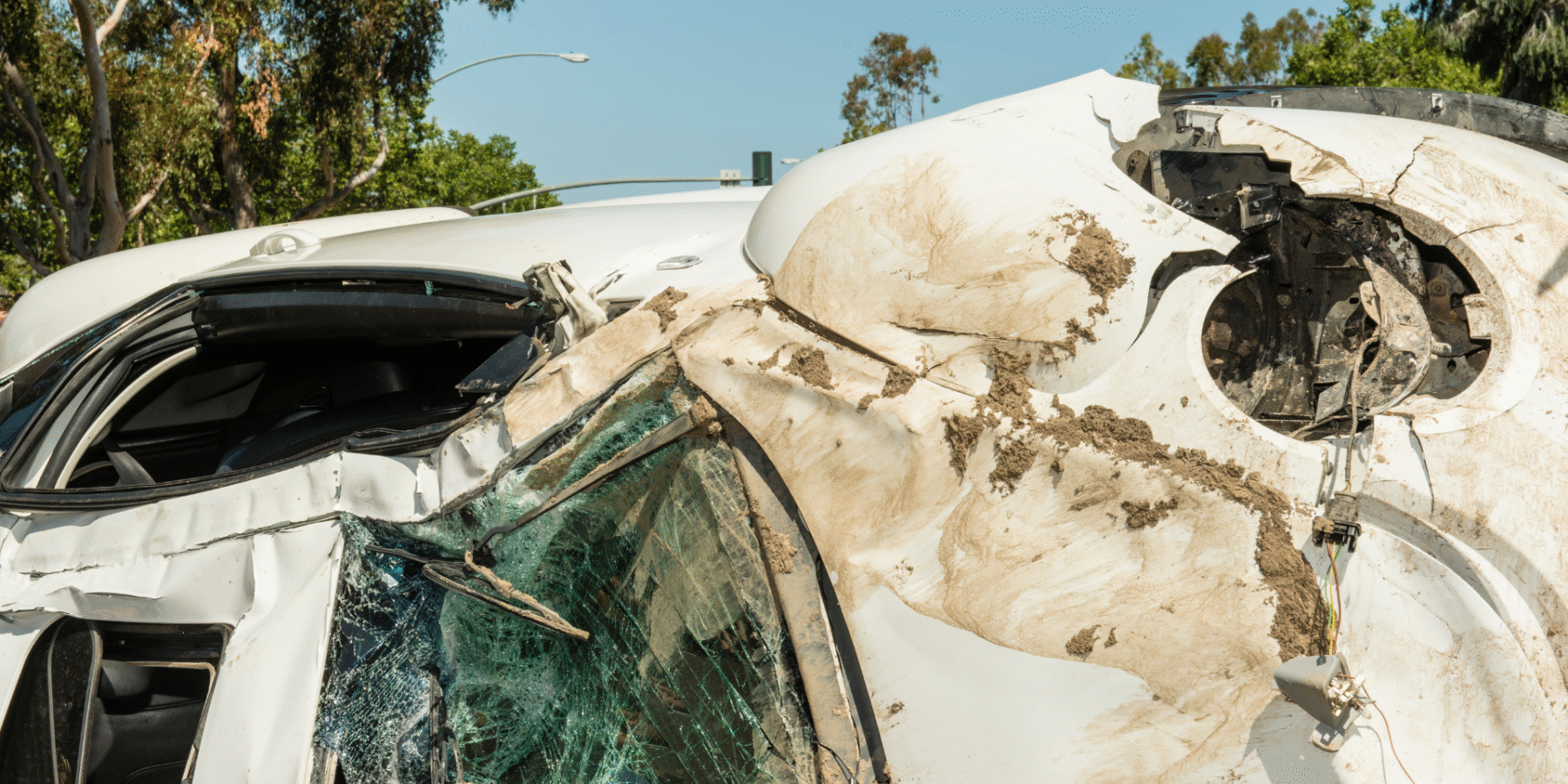
A person was taken to the hospital after a rollover crash on U.S. 395 near Golden Valley Road Sunday evening, according to 2 News Nevada. The collision happened just before 6 p.m., when a vehicle rolled into a construction area along northbound U.S. 395, prompting a partial roadway closure as first responders worked the scene. Firefighters from Reno had to pull two people from the vehicle, and one of them was transported to a hospital with unknown injuries. A portion of the northbound lane remained closed for several hours while crews cleared the wreckage and traffic was redirected. Officials have not yet released further details about what caused the rollover, and the investigation into the crash continues.
Rollover crashes on highways like U.S. 395 highlight how suddenly a routine drive can turn into a dangerous and life-altering event. When a vehicle overturns, the violent motion and impact forces often increase the risk of serious injuries, particularly when construction zones or roadway obstacles are involved. In the aftermath of a rollover, victims may face emergency medical care, ongoing treatment, and significant disruption to their daily lives. Questions about road conditions, construction safety measures, and driver actions can further complicate the situation. At Ed Bernstein Law, we understand how overwhelming the consequences of a serious rollover crash can be, and we are dedicated to helping injured individuals pursue accountability and the compensation they deserve. If you or a loved one has been injured in a Nevada rollover accident, call us today at (702) 623-4518 for your free case review.
Why the Right Attorney Matters After a Reno Rollover Car Crash
A Reno rollover car crash often involves complex liability questions and serious injuries, which is why Ed Bernstein Injury takes a thorough and strategic approach to every case we handle. We understand that rollover collisions frequently require detailed investigation into vehicle dynamics, roadway conditions, and possible construction zone hazards. Our team works to gather crash reports, analyze scene evidence, and consult with qualified experts when necessary to determine exactly what caused the vehicle to overturn. By building a well-supported claim from the outset, we position our clients to pursue meaningful compensation for medical expenses, lost income, and long-term recovery needs.
We recognize that insurance companies may attempt to minimize the severity of rollover injuries or shift responsibility onto the injured driver. For that reason, we take an active role in managing communications, evaluating settlement offers, and preparing cases for litigation when appropriate. We remain committed to keeping our clients informed throughout the legal process while aggressively protecting their rights. Our team carefully reviews medical documentation, accident reconstruction findings, and policy language to ensure that no detail is overlooked. Through careful preparation and dedicated advocacy, we strive to help individuals and families regain stability after a devastating crash.

Steps to Take After a Reno Rollover Car Crash
A Reno rollover car crash can leave drivers and passengers shaken, injured, and uncertain about what to do next. Since rollover collisions often involve significant vehicle damage and serious physical harm, the moments following the crash are critical. Taking the right steps can protect your health, preserve valuable evidence, and safeguard your legal rights. While every situation differs, acting promptly and thoughtfully can make a meaningful difference in both recovery and any future claim. Understanding these steps helps victims respond with greater clarity during an overwhelming time.
Prioritize Safety and Call for Emergency Assistance
Your immediate safety and the safety of others should remain the first priority after a rollover crash. If you are able to move safely, exit the vehicle carefully and relocate to a secure area away from traffic. Call 911 as soon as possible so law enforcement and medical personnel can respond to the scene. Emergency responders can assess injuries, secure the roadway, and create an official accident report. Prompt reporting also ensures that critical details are documented while the scene remains intact.
Accept On-Site Medical Evaluation
Even if injuries seem minor at first, allow paramedics to conduct a medical evaluation at the scene. Adrenaline often masks symptoms of internal injuries, concussions, or soft tissue damage. Early medical documentation establishes a clear connection between the crash and your injuries. Delaying treatment may complicate both recovery and future claims. A professional evaluation helps identify conditions that require immediate attention.
Document the Scene and Preserve Evidence
If your condition allows, gather as much information as possible before leaving the crash site. Take photographs of vehicle damage, road conditions, skid marks, and any nearby construction or hazards. Capture images from multiple angles to provide a comprehensive visual record. Exchange contact and insurance information with other involved drivers. Thorough documentation strengthens the factual foundation of any insurance or legal claim.
Collect Witness Contact Information
Witnesses often provide valuable insight into how the rollover occurred. Politely request names and contact details from anyone who observed the crash. Independent accounts may clarify disputed issues regarding speed or lane changes. Witness statements can prove especially important if liability remains contested. Securing this information early helps preserve accurate recollections.
Seek Prompt Follow-Up Medical Care
Schedule a comprehensive medical evaluation as soon as possible after the crash, even if you received treatment at the scene. Some injuries develop gradually and may not present symptoms immediately. Follow all recommended treatment plans and attend follow-up appointments consistently. Maintaining detailed medical records supports both physical recovery and potential compensation claims. Consistent care demonstrates the seriousness of your injuries.
Keep Detailed Records of Expenses and Missed Work
Maintain copies of medical bills, prescription receipts, and transportation expenses related to treatment. Document any missed workdays and obtain verification from your employer if possible. Accurate financial records help calculate economic damages resulting from the crash. Organized documentation simplifies the claims process. Careful record-keeping ensures that no losses go overlooked.
Notify Your Insurance Company Carefully
Report the crash to your insurance provider within the required timeframe. Provide factual information about the incident without speculating about fault. Avoid giving recorded statements until you understand the full extent of your injuries. Insurance representatives may seek early settlements that do not reflect long-term costs. Thoughtful communication protects your interests.
Consider Consulting a Personal Injury Attorney
Rollover crashes often involve complex liability and significant damages. Consulting a personal injury attorney can provide clarity regarding your rights and available options. Legal guidance helps preserve evidence, manage insurer communications, and evaluate the strength of your claim. Early consultation reduces the risk of procedural errors or missed deadlines. Informed decisions support a stronger path toward recovery and accountability.
Evidence That Can Strengthen a Reno Rollover Car Crash Claim
A Reno rollover car crash often results in serious injuries and significant vehicle damage, which makes strong evidence essential to a successful claim. Because rollover collisions can involve disputed liability, insurance companies frequently scrutinize every detail of the incident. Clear, well-preserved evidence helps establish how the crash occurred and who bears responsibility. Acting quickly to gather and protect documentation can prevent critical information from being lost. A comprehensive evidentiary record places injured victims in a stronger position during negotiations or litigation.
Police Reports and Official Documentation
Law enforcement officers typically prepare a detailed crash report following a serious rollover accident. This report may include observations about roadway conditions, driver statements, and preliminary assessments of fault. Officers may also document whether citations were issued for speeding, impairment, or other traffic violations. These findings can provide an important foundation for a personal injury claim. Obtaining a copy of the official report allows injured parties to review and verify the recorded details.
Traffic Citations and Criminal Charges
If an officer issued a citation at the scene, that violation may support allegations of negligence. Charges related to reckless driving or impaired operation can significantly influence a civil claim. While a citation does not automatically establish liability, it may strengthen the injured party’s argument. Court records connected to traffic offenses often provide additional supporting documentation. Coordinating civil claims with related traffic proceedings can improve overall case strategy.
Photographs and Video Footage
Visual evidence often plays a powerful role in demonstrating the severity of a rollover crash. Photographs of vehicle damage, skid marks, debris patterns, and roadway hazards help reconstruct the sequence of events. Images captured immediately after the crash typically provide the most accurate depiction of conditions. In addition, nearby businesses or traffic cameras may record footage that clarifies disputed details. Preserving this visual documentation early can prevent deletion or deterioration.
Dash Camera and Surveillance Recordings
Dash cameras sometimes capture the moments leading up to a rollover collision. Surveillance systems positioned along highways or construction zones may also provide relevant footage. This evidence can confirm speed, lane position, and surrounding traffic activity. However, many systems automatically overwrite recordings within days. Prompt requests to preserve footage may prove critical to maintaining this valuable evidence.
Vehicle Data and Mechanical Inspections
Modern vehicles often contain event data recorders that capture speed, braking activity, and steering input before impact. This electronic information can help determine whether sudden maneuvers or excessive speed contributed to the rollover. Mechanical inspections may also reveal tire defects, brake failures, or suspension issues. When equipment malfunction plays a role, technical analysis becomes especially important. Combining digital data with physical inspections strengthens the factual foundation of the claim.
Accident Reconstruction Analysis
Accident reconstruction experts analyze vehicle dynamics, roadway design, and impact angles to explain how a rollover occurred. Their evaluations translate complex data into understandable conclusions. Expert reports often clarify whether driver negligence or external hazards caused the crash. These findings may become essential when insurers dispute liability. Detailed reconstruction analysis adds credibility to the injured party’s position.
Medical Records and Injury Documentation
Medical documentation directly connects physical injuries to the rollover collision. Emergency room records, diagnostic imaging, and treatment plans establish the seriousness of harm. Ongoing therapy notes and specialist evaluations further demonstrate long-term impact. Thorough medical records also support claims for pain and suffering damages. Maintaining consistent treatment helps reinforce the strength of the case.
Proof of Financial Losses
Documentation of lost wages and out-of-pocket expenses strengthens the economic portion of a claim. Pay stubs, employer verification letters, and tax records help quantify income losses. Receipts for medications, transportation, and medical equipment demonstrate additional financial strain. Organized financial records simplify damage calculations during negotiations. Clear proof of losses supports a more comprehensive compensation demand.
Compensation Available After a Reno Rollover Car Crash
A Reno rollover car crash often results in significant physical injuries, emotional distress, and unexpected financial hardship for victims and their families. Because rollover collisions frequently involve high-impact forces and roof crush damage, injuries may be severe or long-lasting. Nevada law allows injured individuals to pursue compensation when another party’s negligence caused the crash. The value of a claim depends on the extent of injuries, clarity of liability, and overall disruption to the victim’s life. Understanding the categories of compensation available helps ensure that no losses are overlooked.
Medical Expenses and Future Treatment Costs
Medical expenses typically form the foundation of a rollover injury claim. Victims may require ambulance transportation, emergency care, surgical procedures, and extended hospital stays. Follow-up treatment often includes physical therapy, specialist visits, and prescription medications. Compensation may cover both current medical bills and reasonably anticipated future care. Detailed medical records help demonstrate the full scope of treatment needs.
Long-Term Care and Rehabilitation Needs
Serious rollover crashes sometimes result in traumatic brain injuries, spinal cord damage, or orthopedic complications. These conditions may require ongoing rehabilitation, mobility assistance, or adaptive medical equipment. Physicians and life-care planners often estimate the cost of future treatment and support services. Including these projected expenses helps prevent financial shortfalls later. Comprehensive planning strengthens the long-term value of the claim.
Lost Wages and Diminished Earning Capacity
Injured victims frequently miss work while recovering from a rollover collision. Compensation may include income lost during hospitalization, medical appointments, and rehabilitation. When injuries prevent a return to previous employment, additional damages may address reduced earning capacity. Vocational experts sometimes evaluate how permanent limitations affect future employment opportunities. Accurate documentation of earnings helps quantify these losses.
Loss of Future Career Opportunities
Some rollover injuries limit advancement opportunities or require career changes. Physical restrictions or cognitive impairments may reduce long-term earning potential. Courts consider projected career paths and professional growth when evaluating damages. Demonstrating how the crash altered future prospects strengthens the economic claim. Thorough financial analysis ensures fair consideration of these impacts.
Pain and Suffering Damages
Not all consequences of a rollover crash appear on invoices or wage statements. Pain and suffering damages compensate victims for physical discomfort, emotional trauma, and reduced enjoyment of life. Chronic pain, sleep disruption, and anxiety while driving may persist long after the crash. Nevada law allows injured individuals to seek recovery for these non-economic harms. Personal testimony and medical evaluations often support these claims.
Emotional Distress and Psychological Impact
Rollover collisions can leave lasting psychological effects, including post-traumatic stress and depression. Victims may experience fear of driving or recurring flashbacks related to the crash. Mental health treatment may become necessary for recovery. These psychological injuries deserve recognition alongside physical harm. Comprehensive claims account for both visible and invisible losses.
Property Damage and Related Expenses
Rollover crashes frequently cause extensive vehicle damage or total loss. Compensation may include repair costs or the fair market value of the vehicle before the crash. Victims may also recover reimbursement for towing fees, rental car expenses, and damaged personal property inside the vehicle. Keeping detailed receipts supports reimbursement efforts. Addressing these losses ensures a more complete financial recovery.
Punitive Damages in Extreme Cases
In rare situations involving reckless or egregious misconduct, punitive damages may apply. These damages aim to punish particularly dangerous behavior, such as driving under the influence. Courts evaluate whether the conduct demonstrated conscious disregard for safety. Although not available in every case, punitive damages can significantly increase total recovery. Careful legal analysis determines whether such claims are appropriate.
How Nevada Law Impacts a Reno Rollover Car Crash Case
Nevada law plays a critical role in shaping how a Reno rollover car crash claim proceeds from investigation through resolution. State statutes define fault standards, filing deadlines, and the types of damages available to injured victims. Understanding these legal frameworks helps clarify what evidence is required and how compensation may be calculated. Even strong injury claims can face challenges if procedural rules are not followed carefully. A clear understanding of Nevada law allows injured individuals to protect their rights and pursue recovery effectively.
Nevada’s Modified Comparative Negligence Rule
Nevada follows a modified comparative negligence system that directly affects compensation after a rollover collision. Under this rule, an injured party may recover damages only if they are not more than fifty percent at fault for the crash. If the injured person shares partial responsibility, their compensation will be reduced by their percentage of fault. For example, a finding of twenty percent fault would reduce total recovery by that same percentage. This framework makes accurate liability analysis especially important in rollover cases.
How Fault Percentages Are Determined
Insurance adjusters, attorneys, and sometimes juries evaluate evidence to assign fault percentages. Police reports, accident reconstruction findings, and witness testimony often influence these determinations. Disputes over speed, lane position, or sudden maneuvers may affect how responsibility is allocated. Strong evidence helps prevent unfair fault assignments that reduce compensation. Careful presentation of facts remains essential under this legal standard.
Statute of Limitations for Filing a Claim
Nevada law imposes strict deadlines for filing personal injury lawsuits related to motor vehicle accidents. In most cases, injured individuals have two years from the date of the crash to initiate legal action. Missing this deadline may result in the permanent loss of the right to pursue compensation. Certain exceptions may apply in limited circumstances, but courts enforce filing deadlines strictly. Acting promptly helps preserve legal options and protect the claim.
Claims Involving Government Entities
If a hazardous roadway condition or public vehicle contributed to the rollover crash, additional rules may apply. Claims against government entities often involve special notice requirements and procedural steps. These cases may also include specific limitations on damages. Early investigation becomes especially important when public agencies may share liability. Understanding these distinctions ensures compliance with all applicable legal standards.
Minimum Insurance Requirements in Nevada
Nevada requires drivers to carry minimum liability insurance coverage to operate a vehicle legally. Current minimums include bodily injury and property damage coverage, though these limits may not fully cover serious rollover injuries. When damages exceed policy limits, injured victims may need to explore additional sources of recovery. Uninsured or underinsured motorist coverage can provide important protection in certain situations. Evaluating available insurance policies remains a critical step in case assessment.
The Role of Uninsured and Underinsured Motorist Coverage
If the at-fault driver lacks sufficient insurance, an injured party may turn to their own uninsured or underinsured motorist policy. These claims often require proof that the other driver’s coverage falls short of total damages. Insurance carriers may carefully review medical records and liability evidence before approving payment. Clear documentation strengthens these claims. Understanding available coverage options helps maximize financial recovery.
Damage Caps and Punitive Damages Considerations
Nevada law generally does not cap compensatory damages in standard personal injury cases. This means victims may pursue full recovery for medical expenses, lost wages, and pain and suffering. However, punitive damages may be subject to statutory limitations depending on the circumstances. Courts evaluate whether the defendant’s conduct demonstrated fraud, malice, or conscious disregard for safety. Legal analysis determines whether punitive damages apply and how caps may influence recovery.

How Reno Personal Injury Attorneys Fight for Justice After Rollover Crashes
A serious rollover collision can leave victims facing life-altering injuries, emotional trauma, and significant financial strain. Reno personal injury attorneys play an important role in helping crash victims pursue accountability and fair compensation after these violent accidents. Rollover crashes often involve complex questions about speed, vehicle stability, roadway conditions, and potential product defects. As a result, building a strong claim requires detailed investigation and strategic legal action. Through careful preparation and persistent advocacy, attorneys work to protect injured individuals and help them move forward.
Conducting a Comprehensive Crash Investigation
A thorough investigation forms the foundation of any successful rollover injury claim. Attorneys collect police reports, scene photographs, and physical evidence to reconstruct how the vehicle overturned. They may also review traffic camera footage or nearby surveillance recordings to clarify disputed details. Prompt evidence preservation prevents the loss of critical information that could weaken the case. By assembling a complete factual record, attorneys strengthen the client’s position during negotiations or litigation.
Working With Accident Reconstruction Experts
Accident reconstruction specialists analyze vehicle dynamics, impact angles, and roadway conditions to determine the cause of the rollover. Their findings can clarify whether excessive speed, sudden steering maneuvers, or hazardous surfaces contributed to the crash. Expert testimony often proves essential when liability remains contested. Detailed technical analysis helps translate complex data into clear explanations for insurers or juries. This collaboration supports a more persuasive presentation of the facts.
Identifying All Responsible Parties
Rollover crashes may involve multiple sources of negligence rather than a single at-fault driver. Attorneys examine whether another motorist’s actions forced the vehicle off the roadway or created unsafe driving conditions. They also evaluate whether poor road maintenance or construction hazards played a role. In certain cases, vehicle design defects or tire failures contribute to instability. Identifying every liable party ensures that injured victims pursue all available avenues of recovery.
Investigating Potential Vehicle Defects
Some rollover crashes stem from defective tires, faulty suspension systems, or unstable vehicle designs. Attorneys review recall notices, maintenance records, and manufacturer documentation to assess potential product liability claims. When defects exist, expert engineers may evaluate whether the vehicle met safety standards. Establishing a design or manufacturing flaw can significantly expand compensation options. Careful review of mechanical evidence strengthens these complex claims.
Calculating the Full Scope of Damages
Rollover accidents often result in severe injuries such as head trauma, spinal cord damage, or multiple fractures. Attorneys evaluate medical records, treatment plans, and long-term care projections to determine the full financial impact. They also document lost wages, reduced earning capacity, and other economic losses related to the crash. In addition, non-economic damages such as pain and emotional distress require careful consideration. Comprehensive damage calculations support more effective settlement negotiations.
Addressing Long-Term Rehabilitation Needs
Many rollover victims require ongoing physical therapy, mobility assistance, or specialized medical equipment. Attorneys consult medical professionals to estimate future treatment expenses and lifestyle adjustments. These projections help ensure that compensation accounts for continuing care requirements. Ignoring long-term needs may leave victims facing unexpected financial burdens later. Accurate forecasting strengthens the overall claim value.
Negotiating and Litigating With Determination
Insurance companies often attempt to minimize payouts in serious rollover cases. Personal injury attorneys prepare each claim as though it will proceed to trial, which strengthens their negotiating position. Organized evidence and clear legal arguments encourage fair settlement discussions. If negotiations fail, attorneys present the case in court with confidence and preparation. Through disciplined advocacy, Reno personal injury attorneys fight to secure justice and meaningful financial recovery for rollover crash victims.
Contact an Experienced Reno Car Crash Lawyer Today
After a serious collision, having knowledgeable legal representation can make a significant difference in how your recovery unfolds. At Ed Bernstein Injury, we understand that a Reno car crash can leave victims dealing with painful injuries, mounting medical expenses, and uncertainty about what steps to take next. We take the time to evaluate every aspect of the crash, gather critical evidence, and develop a strategy tailored to each client’s unique circumstances. Our goal is to pursue full and fair compensation while allowing our clients to focus on healing and rebuilding their lives. We believe that every injured person deserves attentive guidance, consistent communication, and determined advocacy throughout every stage of the legal process. F
From the initial consultation through investigation, settlement negotiations, or trial if necessary, Ed Bernstein Injury stands beside our clients with preparation, strategy, and persistence. We carefully evaluate medical records, assess long-term damages, and analyze liability evidence to build the strongest claim possible. Our team works diligently to hold negligent drivers accountable while protecting the financial stability and future well-being of those we represent. We remain committed to answering questions promptly, providing honest case evaluations, and ensuring our clients feel supported during a challenging time. If you or a loved one has been injured in a Reno car crash, call us today at (702) 623-4518 or fill out the online form to arrange your free consultation.
Contact usfor a free consultation.
Phone: (702) 707-6068